FinTech innovation and evolving financial ecosystems
Track 14
Track chairs

Osama Mansour
Lund University, Sweden

Emma Forsgren
Lecturer in Information Management
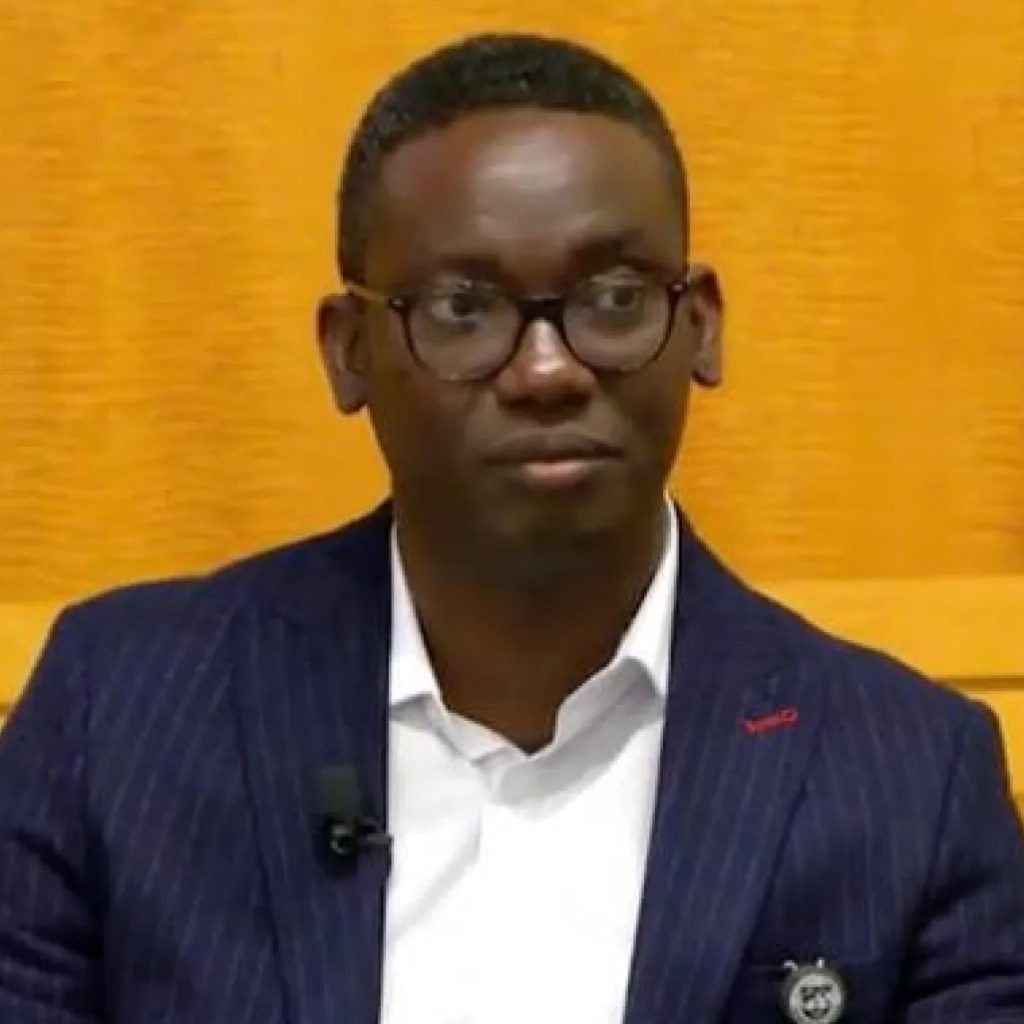
PK Senyo
University of Southampton Business School
Track description
This track seeks original research that investigates fundamental transformation in finance due to advanced digital technologies and evolving regulations. FinTech innovations such as blockchain, embedded finance, mobile money, central bank digital currencies and rob-advisory platforms introduce a new financial architecture for digital innovations, thereby reshaping the architecture and delivery of financial services. Regulatory developments and market-driven initiatives around the world are transforming the traditional role of banks as new FinTechs continue to transform financial services. This enables a shift toward a data-driven financial ecosystem and the platformisation of the financial industry. FinTechs now offer novel and alternative financial services, targeting market segments that have traditionally been overlooked by incumbents. These services include account aggregation, non-bank payment solutions, credit scoring based on alternative data, insurance technologies (InsurTech), compliance technologies (RegTech), digital wallets, Robo-advisors, and artificial intelligence (AI) agents. This track recognises these developments as drivers of a significant transformation in industry logic and invites high-quality, innovative empirical papers that make meaningful contributions to understanding the role of digital innovation in financial ecosystems.
Topics of interest
- Relationships between incumbent financial institutions and emerging FinTech entrants, including cross-border and ecosystem partnerships.
- New business models that bridge digital and industry boundaries (e.g., platform competition, coopetition, DeFi platforms, neobanks, multibanking platforms, and data aggregation).
- Blockchain exchanges, blockchain remittances, and blockchain governance and standards.
- Digital financial assets, digital securities, tokenization, and stablecoins.
- Customer empowerment, security, and privacy in domestic and cross-border digital financial services.
- Emerging digital financial services bridging markets and ecosystems, including RegTech, InsurTech, WealthTech, peer-to-peer lending (P2P), Buy Now Pay Later (BNPL), Digital Wallets, Mobile Payments, Instant Payments, Neobanks, and crowdfunding.
- Open finance, open banking, embedded finance, invisible banking, banking-as-a-service, data-as-a-service, and compliance-as-a-service.
- Data access regulations (PSD3, PSR, FiDA, CMA), compliance, supervision, governance, and cross-border implementation.
- The API economy (API monetization, API marketplaces, open banking platforms, and BigTech in finance).
- Challenges and opportunities for incumbent financial institutions and FinTechs.
- Ethical, social, and environmental impacts of FinTech.
- AI–data assemblages in finance (e.g., robo-advisors, AI agents, autonomous financial services, predictive finance, and payment intelligence) across data, organizational, and national borders.
- AI, machine learning, and real-time fraud detection in interconnected and cross-border digital financial services.
- Inclusive finance, personalized financial services, predictive finance, omnichannel services, and intelligent services.
- Financial resilience, digital sovereignty, and geopolitics.
Associate Editors
Gemza Ademaj
Copenhagen Business School, Denmark
Francis Andoh Baidoo
The University of Texas Rio Grande Valley, USA
Linda Askenäs
Borås University, Sweden
Emmanuel Ayaburi
Baylor University, USA
Melissa Baba
University of Southampton, UK
Niki Chatzipanagiotou
University West, Sweden
Blerim Emruli
Lund University, Sweden
Shang Gao
Örebro University, Sweden
Greg Gimpel
Georgia State University, USA
Daniel Gozman
University of Sydney, Australia
Stan Karanasios
University of Queensland, Australia
Juho Lindman
Gothenburg University, Sweden
Mustafa Nourallah
Mid Sweden University, Sweden
Paul Pierce
Lund University, Sweden
Toktam Ramezanifarkhani
Kristiania University, Norway
Carin Rehncrona
Stockholm University, Sweden
Aya Rizk
Linköping University, Sweden
Matti Rossi
Aalto University, Finland
Betty Saenyi
IT University of Copenhagen, Denmark
Talina Sondershaus
Lund University, Sweden
Iman Taani
University of Southampton, UK
Ishmael Tingbani
University of Southampton, UK
Shenghao Xie
University of Liverpool, UK