Data studies in IS research
Track 9
Track chairs
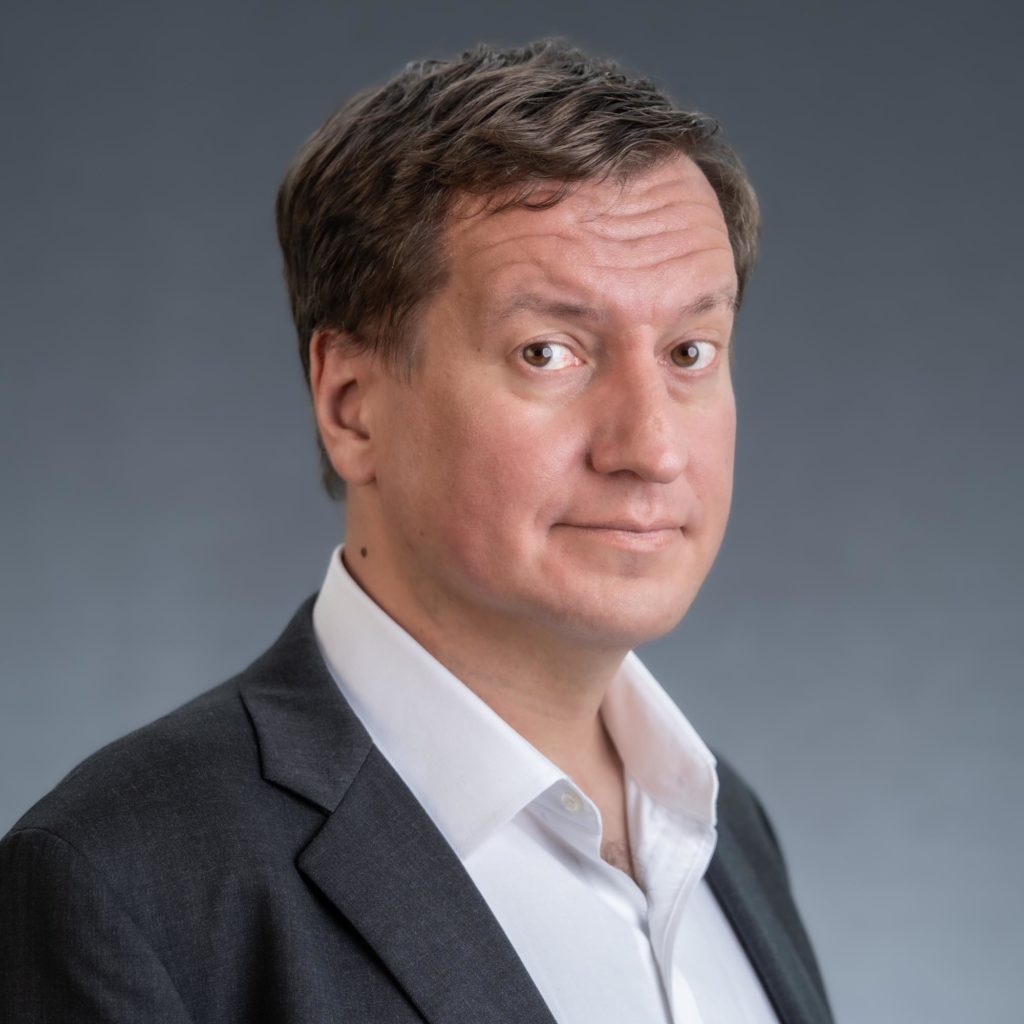
Aleksi Aaltonen
Stevens Institute of Technology

Frederik Möller
TU Braunschweig
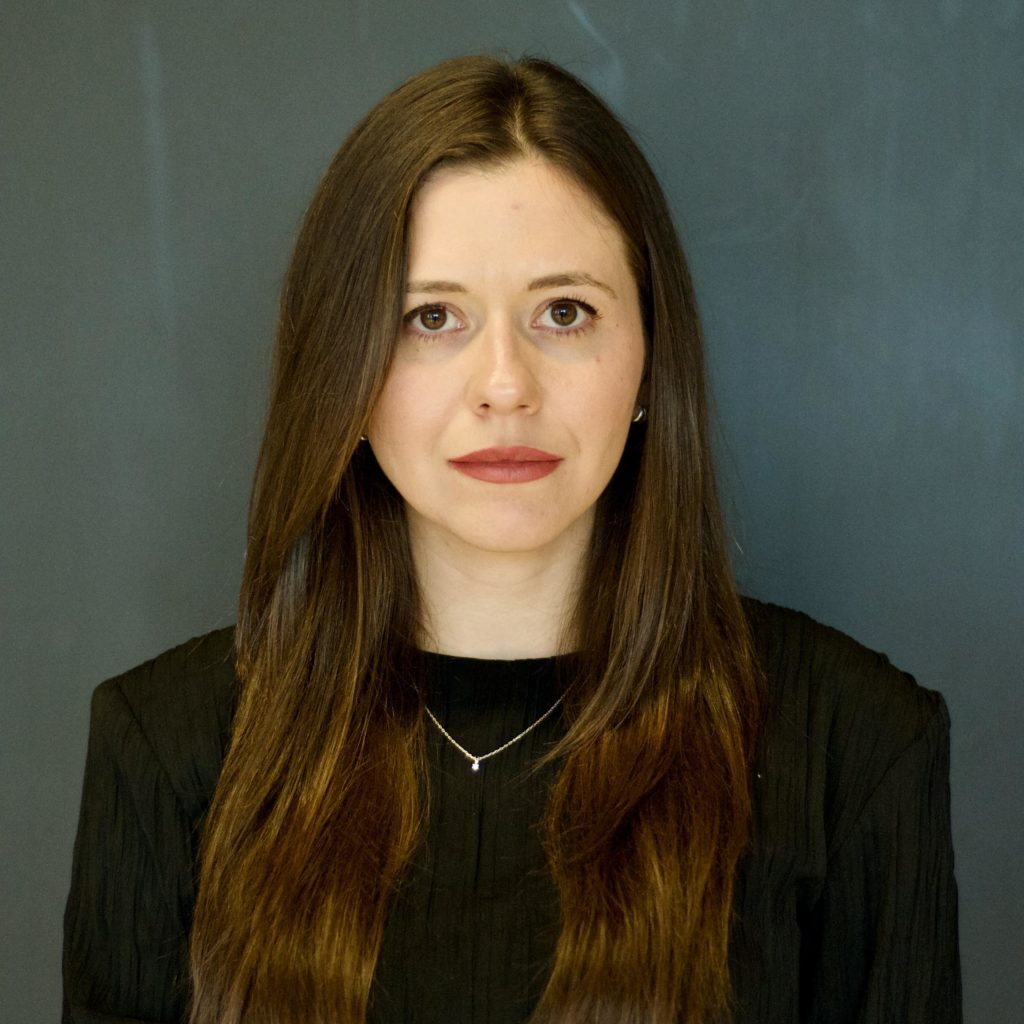
Dragana Paparova
University of Oslo
Track description
Data is the key resource of our time, increasingly taking a central position in business and society. By way of their unique and diverse characteristics (e.g., non-fungibility, non-rivalry, rapid deprecation, context-specificity), data have become highly valuable not only for fuelling modern AI applications, but also for innovative business solutions, daily operations and interorganisational value creation. Yet, the prevalence of data also raises questions concerning governance, quality, security, and value, especially when shared across complex data ecosystems between within and beyond organisational boundaries.
Although data is at the core of information systems, our intellectual foundations for explaining and examining how data can be effectively prepared, used and appropriately governed remains under development. This track aims at establishing a common ground and further advance this important field of research. It is part of the international movement towards developing data studies into a distinct area of concern, to question its impact on socioeconomic life. Data studies in IS research adopts a broad view of data’s lifecycle and welcomes studies that examine a range of issues, from its sourcing and application in complex business and societal problems to the ethical, legal and philosophical questions about what counts as data and how it should be governed across ecosystems, infrastructures and value chains.
The track continues the successful “Data Studies in IS Research” track at the European Conference of Information Systems 2026. The track is open to any research paradigm from design science and qualitative/interpretative research to quantitative and behavioural studies and aligns with the international movement towards data studies (see https://www.datastudiesbibliography.org/) and the initiative to create a SIG Data in the Association of Information Systems.
Topics of interest
This track invites contributions on topics related to studying digital data as the focal object of research, including but not limited to the following:
- Data for AI and interplay with AI
- Data reuse and repurposing
- Data quality definition, assessment, and improvement
- Data governance and management
- Unstructured data management and semantic layer
- Impact of regulation on data use and data sharing practices
- Data management and data sharing in organisations and ecosystems
- Data collaboratives, data cooperatives and other forms of data intermediaries
- Data privacy, security, and sovereignty
- Data value chains within and across organisations
- Data spaces, data platforms and other data sharing infrastructures
- Distributed data architectures in organisations and ecosystems
- (Case) Studies on data value and data quality in organisations
- Data value economics and data accounting
- Data work
Associate Editors
Antragama Ewa Abbas
University of Luxembourg, Luxembourg
Olivia Benfeldt
Copenhagen Business School, Denmark.
Elmira van den Broek
Stockholm School of Economics, Sweden
Sandra Geisler
RWTH Aachen, Germany.
Martin Gersch
Freie Universität Berlin, Germany.
Maike Greve
Copenhagen Business School, Denmark.
Francesco Gualdi
King’s College London, UK
Markus Helfert
Maynooth University, Ireland.
Jussen Ilka
Fraunhofer ISST, Germany
Tomislav Karacic
London School of Economics and Political Sciences, UK
Niloofar Kazemarghi
Luiss, Italy
Mathias Klier
University of Ulm, Germany.
Christian Koldewey
University of Paderborn, Germany
Barbara Krumay
Johannes Kepler University Linz, Austria.
Sarah Lebovitz
University of Virginia, USA
Hippolyte Lefebvre
University College Dublin
Christine Legner
University of Lausanne, Switzerland.
Li Mahei
University of St.Gallen, Switzerland
Silvia Masiero
University of Oslo, Norway
Frederik Metzger
Fraunhofer Institute for Systems and Innovation Research, Germany
Marius Mikalsen
Norwegian University of Science and Technology, Norway.
Anastasija Nikiforova
University of Tartu, Finland
Hosea Ofe
Halmstad University, Sweden.
Stella Pachidi
King’s College London, UK
Elena Parmiggiani
Norwegian University of Science and Technology, Norway.
Marc de Reuver
TU Delft, Netherlands
Angelo Romasanto
ESADE, Spain
Anika Schröder
CBS Copenhagen, Denmark
Gero Strobel
University of Duisburg-Essen, Germany
Daniel Stedjan Svendsrud
University of Oslo, Norway
Elizabeth Teracino
University of Lausanne, Switzerland.
Daisy Xu
University of Queensland, Australia